Please confirm your language, ship to and currency
Shipping options and costs will vary based on your ship to
Writer:探针 Posted time {{1772086557000|timezoneDate({format:'YYYY-MM-DD HH:mm:ss'})}} views:1
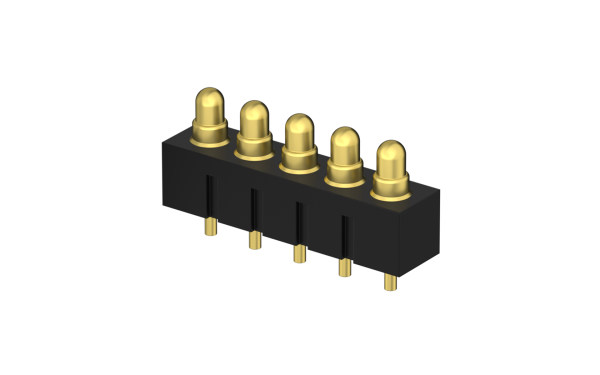
Pogo pin, also known as spring pin connectors, are commonly used in small electronic products such as mobile phones. The main structure of a probe consists of three parts: the probe head, the spring, and the probe tube. During use, the probe head is pressed downwards by a positive force after being inserted, reducing its free height to its working height. There is a key point here: if the compression is too small, it can lead to unstable impedance; if it is too large, it may damage the probe head and cause pin-blocking issues. Therefore, the compression amount is generally set to one-third of the spring length.
Based on the differences in installation methods, probes can be divided into the following types:
SMT type: It boasts excellent stability, featuring a flat-bottom design at the bottom of the needle tube, which greatly facilitates SMT chip soldering operations.
DIP type: The tail of the pin shaft is equipped with a positioning pin, which can effectively prevent the occurrence of offset during soldering to the PCB, ensuring good positioning effect.
Side-contact type: The unique side-contact design can significantly reduce the thickness of the product, making it commonly used in battery connection scenarios for ultra-thin electronic products.
Bent type: The tail of the needle shaft is bent, providing designers with more options in terms of space utilization.
Double-headed design: The adoption of a double-headed and double-spring design structure provides engineers with greater room for adjustment when connecting boards in both directions.