Please confirm your language, ship to and currency
Shipping options and costs will vary based on your ship to
Writer:连接器 Posted time {{1787639988000|timezoneDate({format:'YYYY-MM-DD HH:mm:ss'})}} views:3
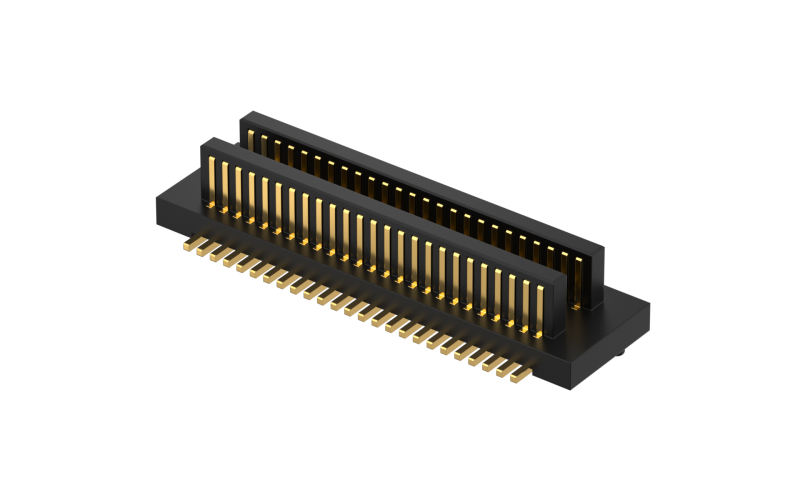
Wear and tear of connector pins is a common problem that cannot be completely avoided during long-term operation of equipment. The friction generated by each insertion action gradually wears down the contact coating on the surface of the pin for corrosion prevention. Once the coating is worn through, the signal transmission reliability and environmental resistance of the connector will continue to decline, ultimately leading to poor contact, signal interruption and other faults.
The core causes of pin wear recognized in the industry are mainly divided into two categories:
The first type is active wear during the insertion and extraction process. Each time the connector is docked and separated, the contact interface between the plug and socket will slide relative to each other, directly scratching the coating structure on the contact surface, which is the main source of wear in controllable scenarios.
The second type is micro motion wear during service, which is caused by external mechanical vibrations and small displacements due to mismatched thermal expansion coefficients of different materials. The motion amplitude is only a few micrometers to tens of micrometers, difficult to detect with the naked eye, but it will continue to damage the contact area during long-term operation. It is the core cause of premature failure of pins in complex working conditions such as industry and transportation. As long as the connector is in a live service state, the process of pin wear will not completely stop.
To address this issue, the hardness of the pin base material and plating layer can be improved, combined with a multi leaf spring type envelope contact structure to disperse contact stress and significantly reduce coating loss caused by friction, ultimately effectively extending the product's insertion and extraction life and long-term service reliability.