In fields such as industrial control, energy, automotive, rail transit, medical, aviation, etc., where high reliability is required for connections, equipment is often subjected to complex working conditions such as vibration shock, wide temperature alternation, dust and water vapor intrusion, and strong electromagnetic interference. Connectors are prone to contact transient breakage, signal distortion, interface corrosion, and even insulation failure. TXGA researches and develops different connector core processes from various technical directions, such as airtight protection, electromagnetic compatibility, miniaturized contact structures, and high reliability current carrying, to address the differentiated pain points and stringent environmental requirements of different industries.
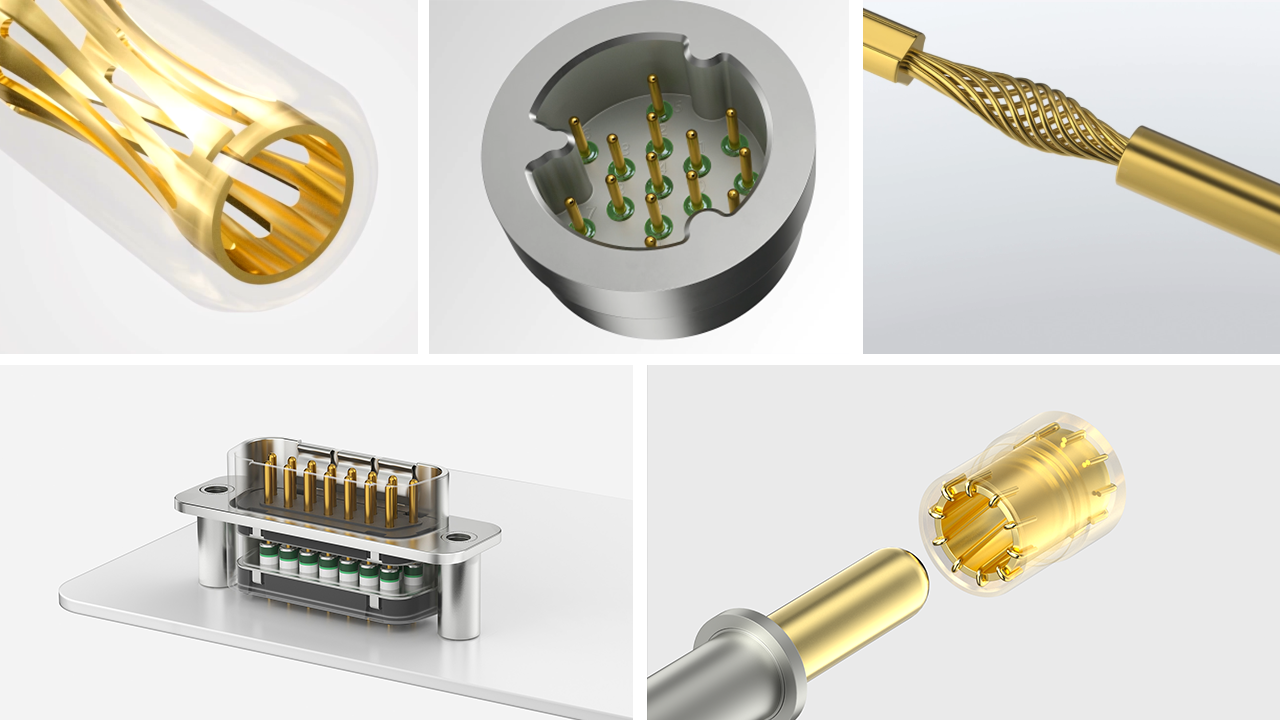
1.Glass sealing process
The glass sealing process is a core technology designed to meet the requirements of airtightness and insulation in extreme environments, and the core difficulty lies in achieving reliable fusion of glass and metal. This process uses high borosilicate glass as the insulation substrate, combined with specially treated stainless steel metal components. By precisely adjusting the material formula, the thermal expansion coefficients of the two are matched as much as possible, avoiding cracking at the sealing interface during temperature fluctuations from the root.
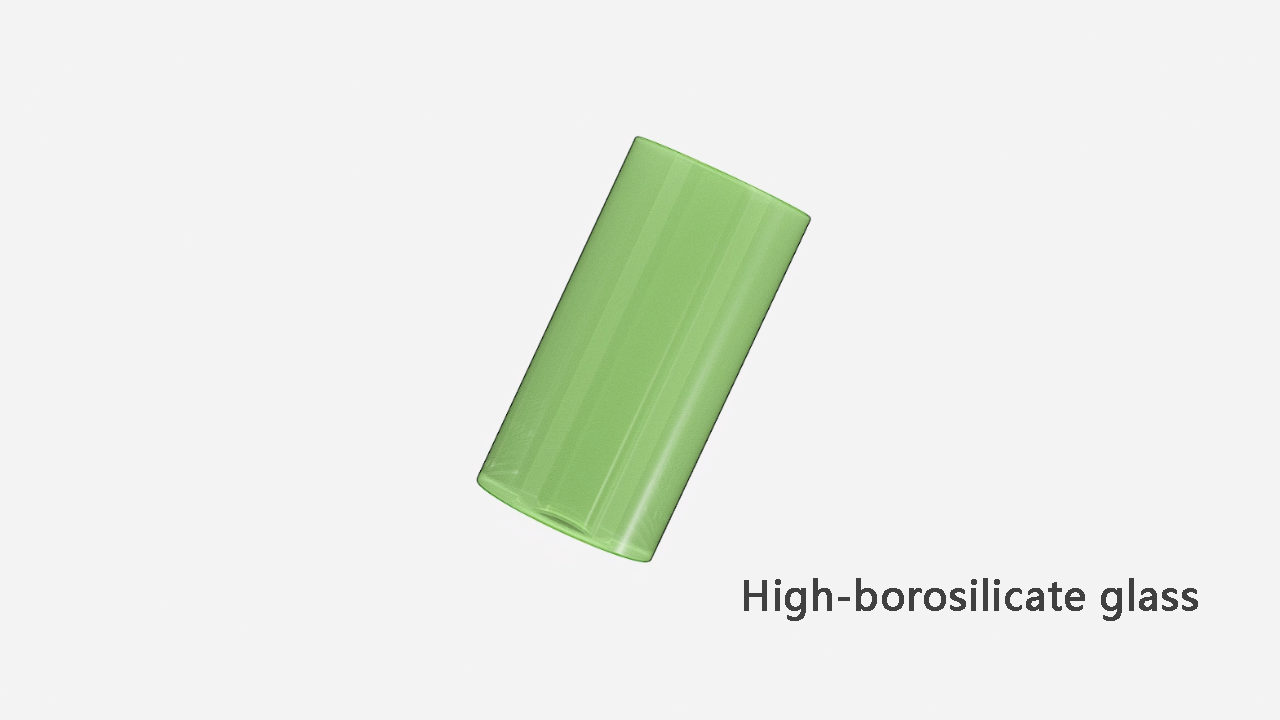
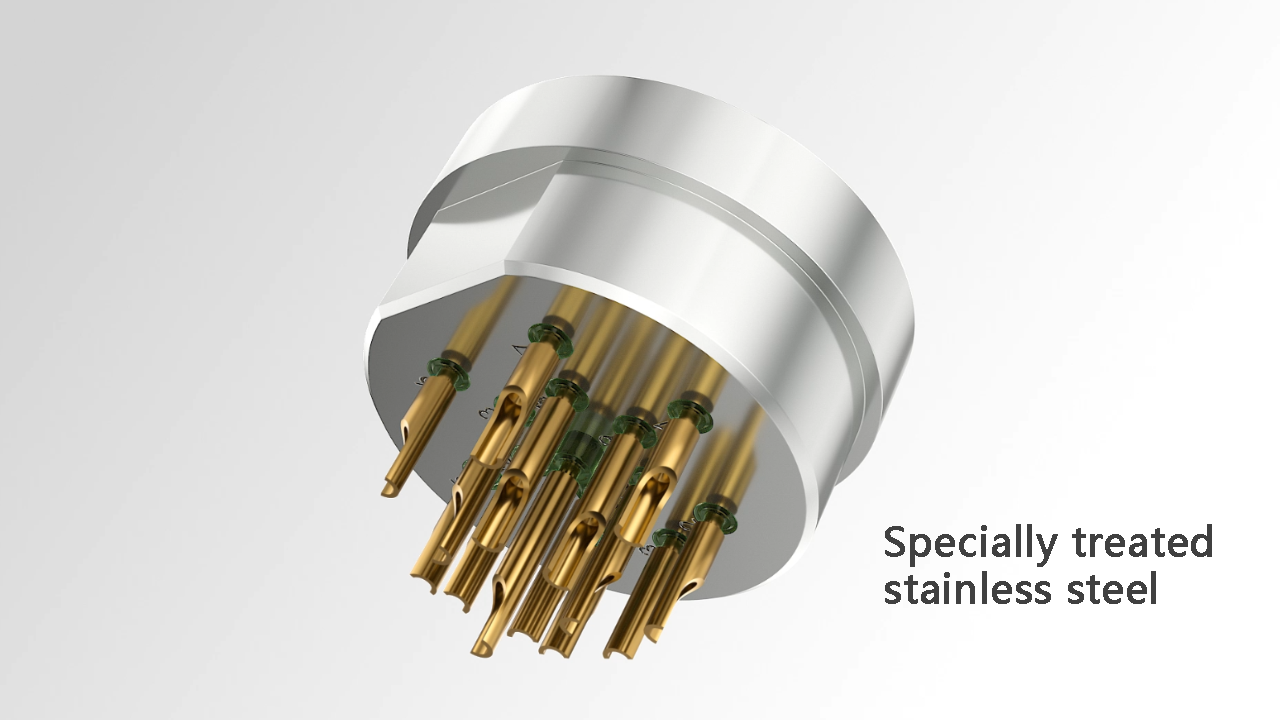
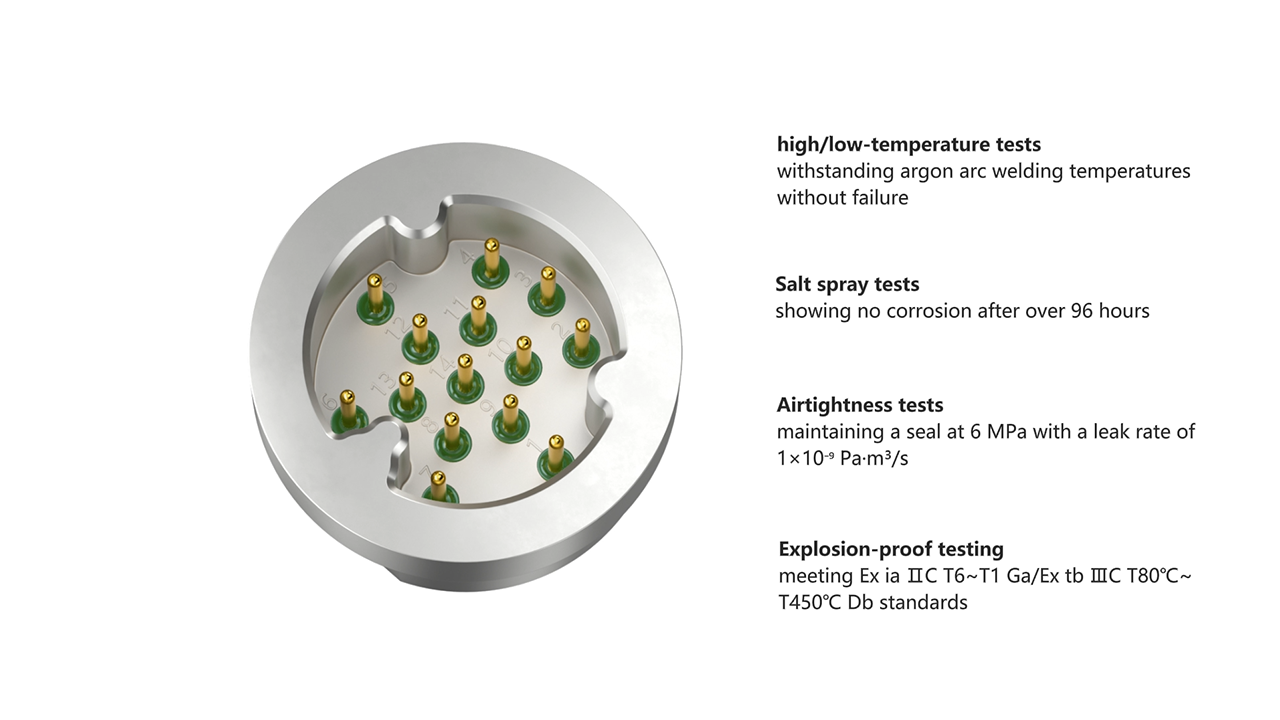
During the production process, the terminals need to undergo high-temperature sintering, with the sintering temperature strictly controlled within the range of 800 ° C to 1100 ° C. The heating and cooling processes are gradually controlled in a stepped manner to avoid thermal stress concentration and damage to the sealing structure. The final product can withstand high temperature impact of argon arc welding without failure, and after more than 96 hours of salt spray testing, there are no obvious corrosion marks. It can still maintain stable airtightness under a pressure environment of 6MPa, and the airtightness leakage rate can reach 1 × 10 ⁻⁹ Pa · m ³/s. The explosion-proof level meets the requirements of Ex ia Ⅱ C T6~T1 Ga/Ex tb Ⅲ C T80 ℃~T450 ℃ Db, providing a reliable interface with insulation, mechanical strength, and airtightness for high-risk scenarios such as oil and gas extraction and outdoor special equipment.
2. Embedded electronic component technology
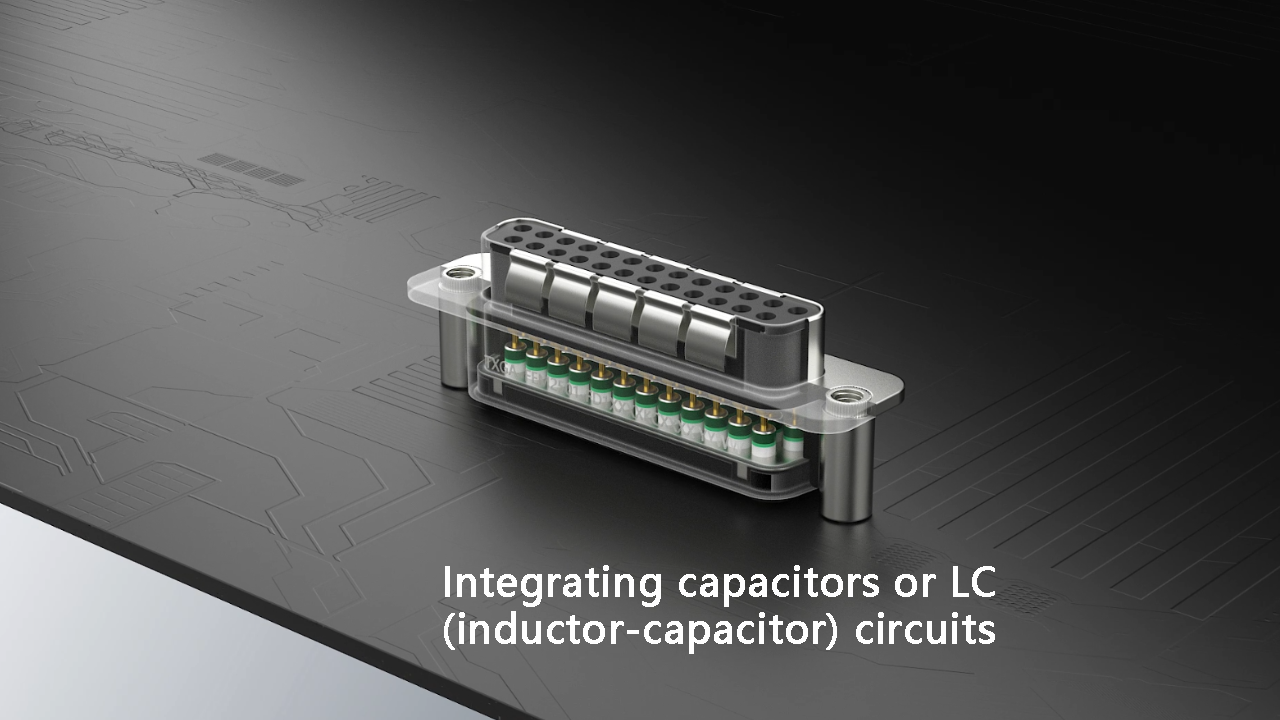
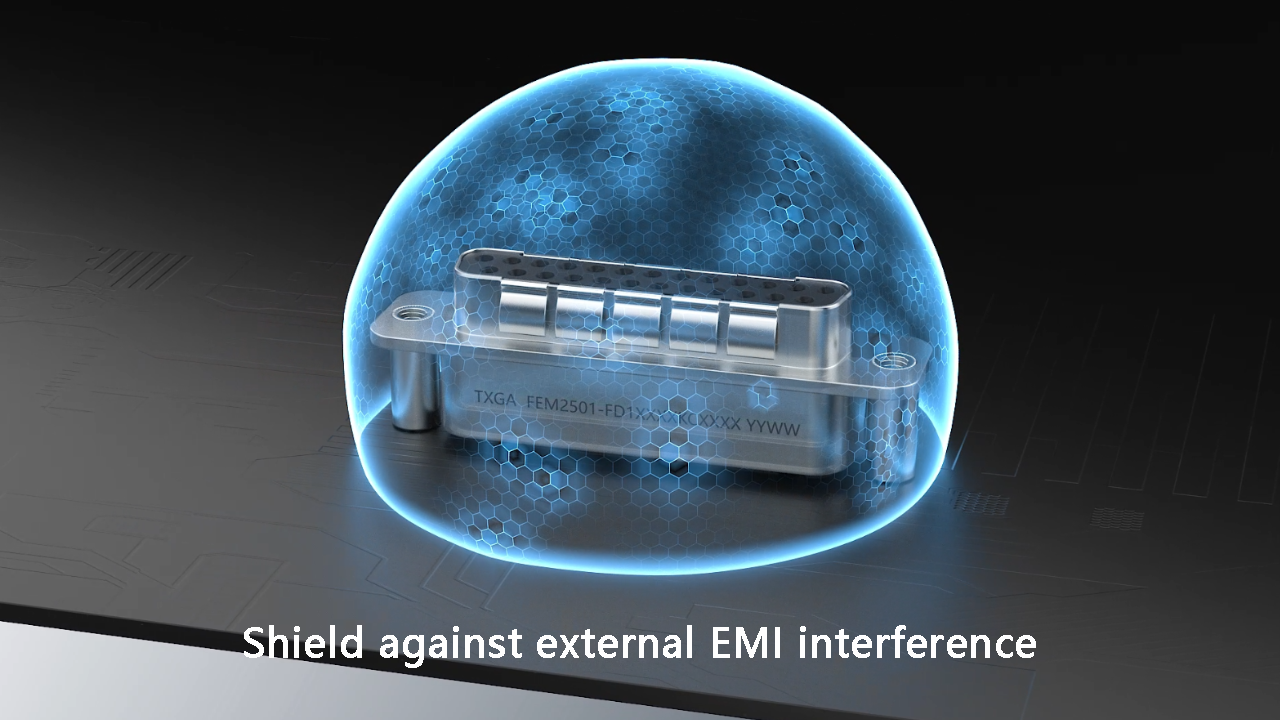
Traditional connectors often only serve the function of circuit connection, making it difficult to ensure the integrity of high-frequency signals in the face of increasingly complex electromagnetic interference environments. The embedded electronic component technology breaks this limitation. Taking the filtering D-type connector as an example, a capacitor, inductor+capacitor combination filtering network is integrated inside the connector, which can directly shield external EMI interference without the need for additional filtering modules. In the scenario of 1GHz high-frequency signal transmission, the interference signal attenuation effect of this structure can reach 70dB, greatly reducing the impact of external electromagnetic environment on the signal. In industrial automation measurement and control, precision instruments and other scenarios, it effectively avoids equipment failure caused by signal distortion.
3. Twisted elastic pin structure
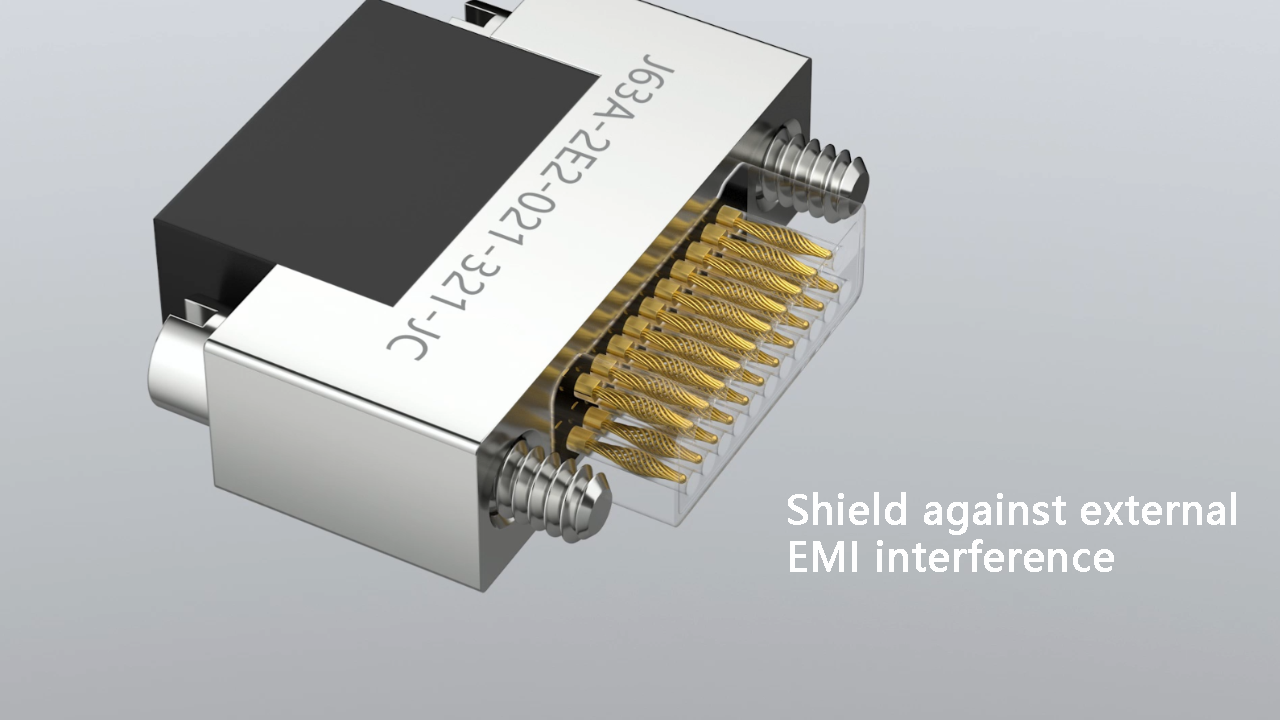
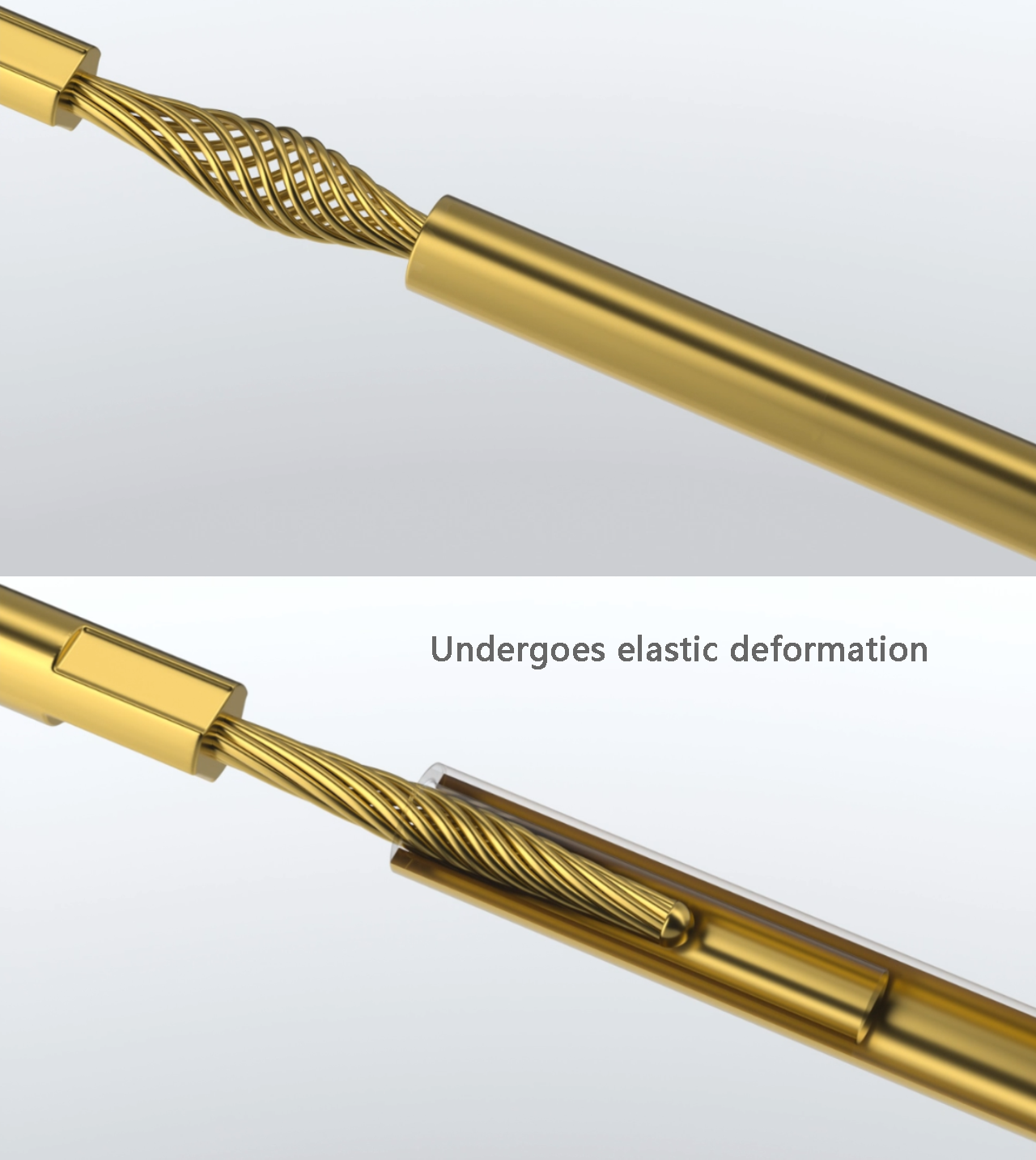
Twisted wire elastic pin structure is a precision contact solution designed for miniaturized and highly reliable scenarios. This structure is made up of multiple strands of high elasticity copper alloy wire twisted at a specific spiral angle, forming a drum shaped shape with a handle. When the pin is inserted into the matching rigid socket, the drum shaped structure will undergo uniform elastic deformation under radial pressure, allowing multiple strands of alloy wire to simultaneously form multiple independent contact points with the inner wall of the socket. This multi-point parallel contact design not only avoids the transient disconnection problem that ordinary single point contact structures are prone to in vibration environments, but also makes the insertion and removal process smoother, achieving stable and reliable electrical connections in limited micro spaces.
4. Wire spring structure
The connector plug adopts a hyperboloid wire spring gold-plated socket design, which is composed of multiple wire spring wires and a loop ring to form a hyperboloid winding surface. After the pin is inserted, it is uniformly and flexibly wrapped by the wire spring wire, forming a multi wire parallel contact state. This structure ensures uniform and gentle insertion and extraction force throughout the entire process, even under strong impact and continuous vibration conditions, maintaining stable contact without loosening or instantaneous breakage problems.
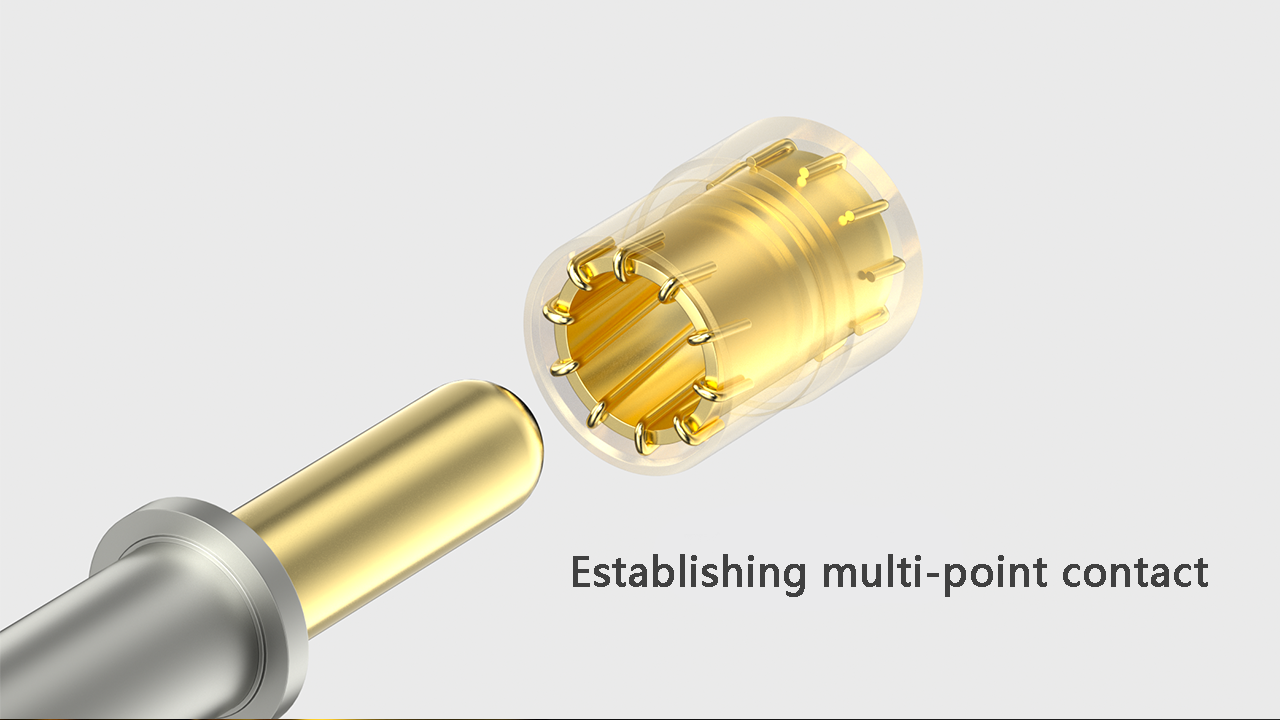
5. Crown spring structure
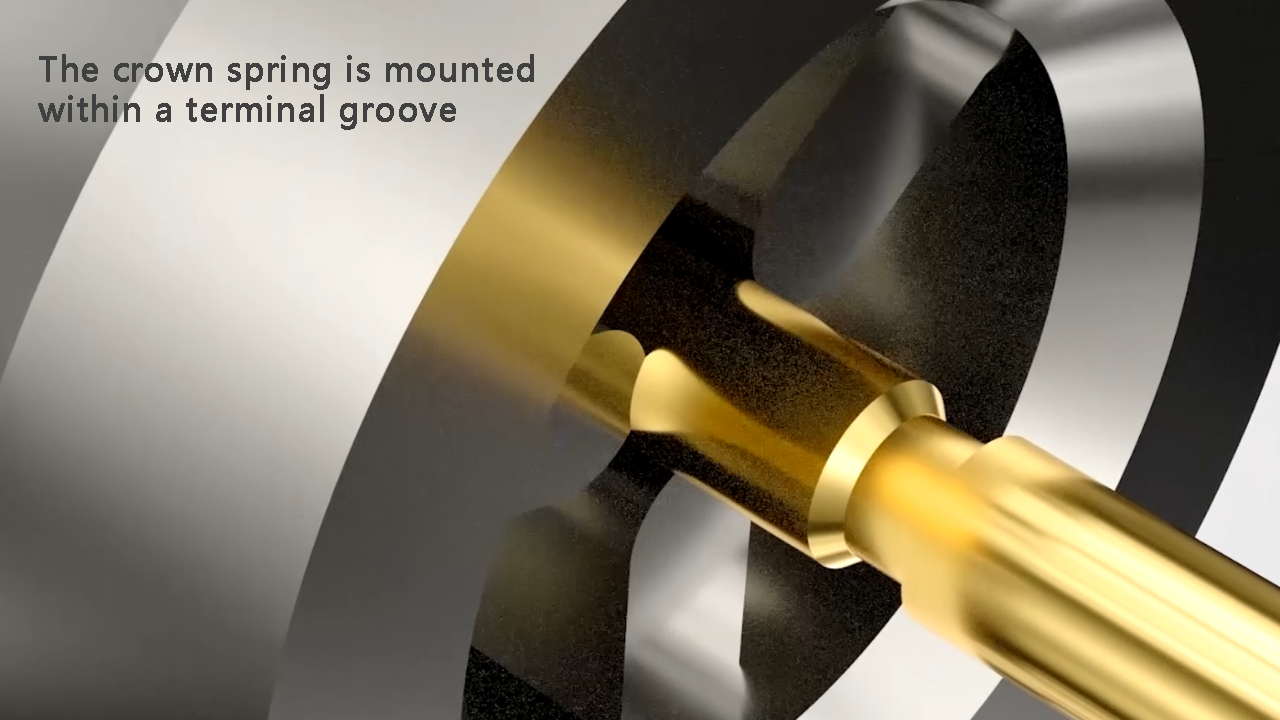
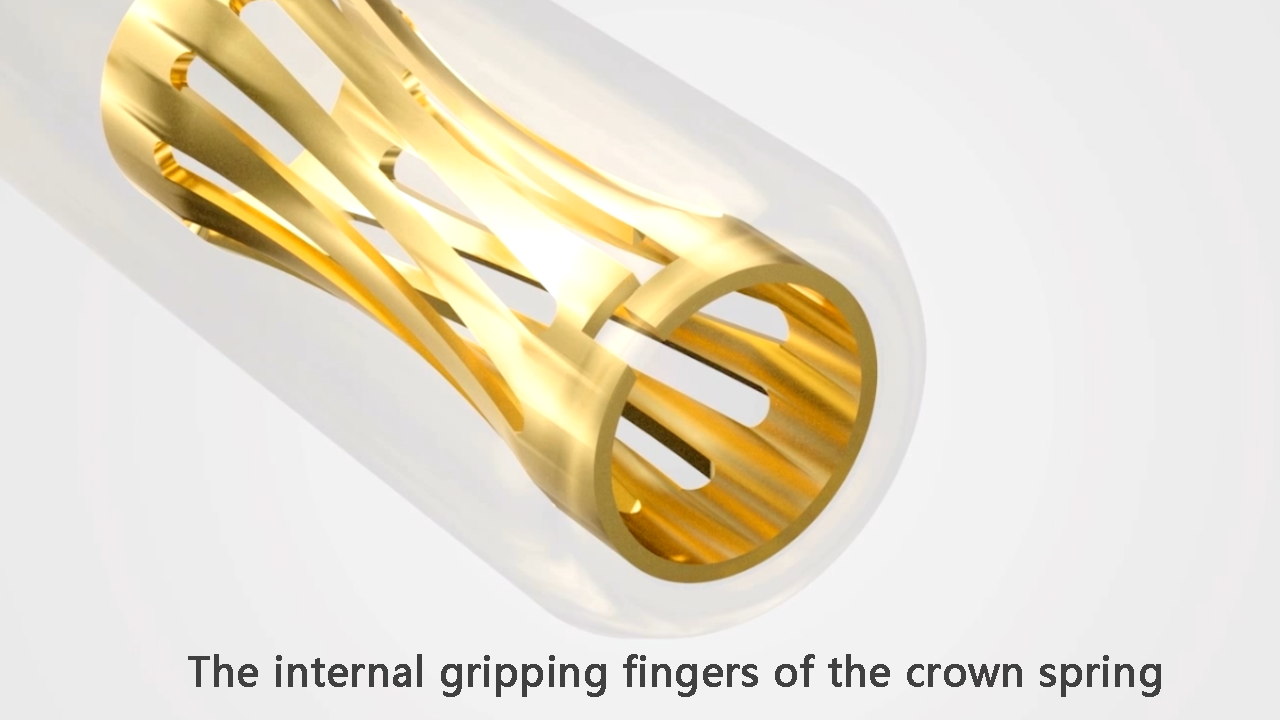
The crown spring structure adapts to more miniaturized connector scenarios with its compact form. The elastic crown spring is inserted into the preset groove of the terminal, and when inserted, it relies on the self elastic force of the crown spring's internal claws to evenly clamp the pins, achieving multi-point contact effect. This structure combines the characteristics of low contact resistance, soft insertion and extraction force, and shock resistance, and is widely used in industrial control, automotive electronics, and other scenarios.
Connector testing
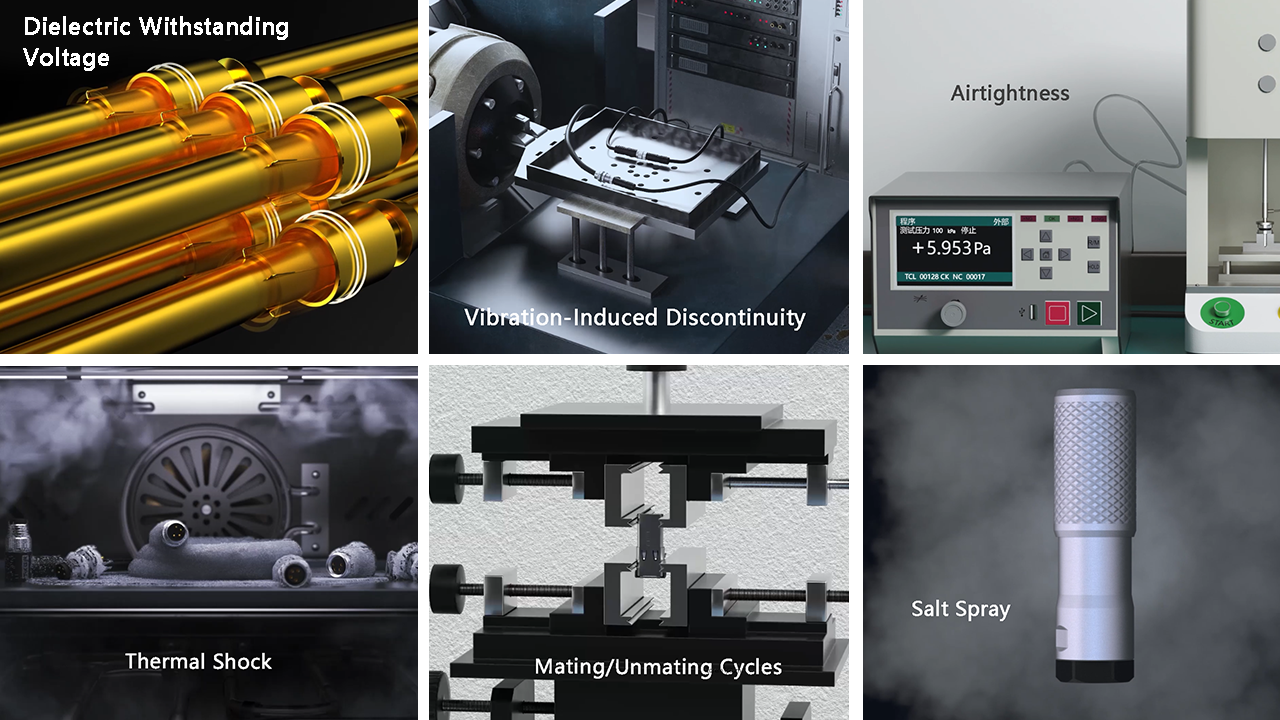
The final implementation effect of all processes needs to be verified through standardized testing. TXGA strictly follows corresponding industry standards and specifications in product development and mass production, covering tests such as electrical performance, mechanical performance, and environmental adaptability.
Verify the electrical safety boundary of the product through basic voltage resistance and insulation resistance testing; To assess the long-term reliability of the product under mechanical stress, including vibration instantaneous breakage, mechanical plug-in life, and contact retention force testing; Moving on to environmental simulation tests such as cold and hot shock cycles, salt spray, and airtightness, extreme working conditions such as outdoor, underground, and high-altitude environments are brought into the laboratory to verify the performance of the product throughout its entire lifecycle in advance.
Through this rigorous testing process, connectors can maintain stable connection performance in various complex scenarios such as industrial control, energy, automotive, rail transit, medical, aviation, etc., laying a solid foundation for the reliable operation of the entire system.
 Building Technology Cornerstone
 |
CNY
|
CNY